Acts 2:42-47, Psalm 118 (117):2-4, 13-15, 22-24, 1 Peter 1:3-9 and John 20:19-31
Mercy That Breaks Fear and Builds Faith
There is a moment many of us know too well—the doors are closed, the lights are low, and fear has the final word. You may be smiling on the outside, but inside, there is anxiety, doubt, and even disappointment with God. That is exactly where today’s Gospel begins: behind locked doors. But hear this—Divine Mercy does not wait for perfect faith; it enters locked rooms.
In John 20:19–31, we witness a powerful movement of the Spirit in four actions. First, Jesus came and stood among them. The doors were locked, yet nothing could keep Him out. The Mercy of God is not blocked by fear, sin, or failure. He stepped into their reality and declared, “Peace be with you.” This is not merely a greeting—it is a release of grace. Peace entered the chaos. Mercy invaded fear.
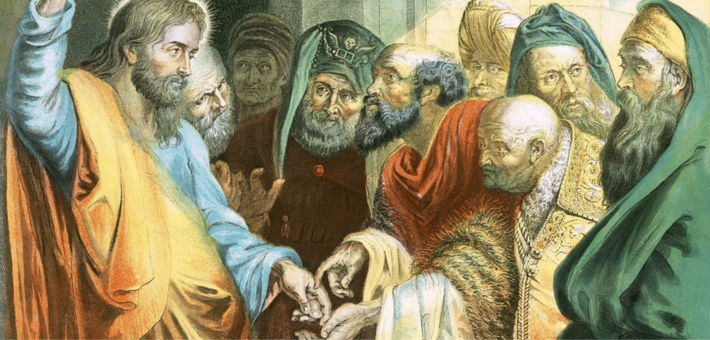
Second, Jesus showed His wounds. This is striking. The risen Christ does not hide His scars; He revealed them. Why? Because His wounds are now channels of mercy. The very place of pain became the source of healing. And when the disciples saw this, their fears turned into joy. In other words, Encounter changes everything.
Third, Jesus breathes on them and says, “Receive the Holy Spirit.” This is a new creation! Just as God breathed life into Adam, Jesus now breathes divine life into His disciples. And with that breath comes authority: “Whose sins you forgive are forgiven.” This is Divine Mercy in action—the Church becomes a vessel of God’s forgiveness. They were given sacramental authority to dispense the graces of God. I encourage you, people of God, to make use of the confession
But then we meet Thomas. He refused to believe. He wanted proof. He wanted to touch the wounds of Jesus. He represents many of us—we love God, but we struggle with doubts in our hearts. It is not our fault. Sometimes we like things with proof and evidence, not just faith.
So, what did Jesus do? Eight days later, He returned. He did not reject Thomas; He met him right at his doubt. He invited him: “Put your finger here.” This is mercy again—personal, patient, pursuing. And Thomas responded with one of the most powerful confessions of faith: “My Lord and my God!”
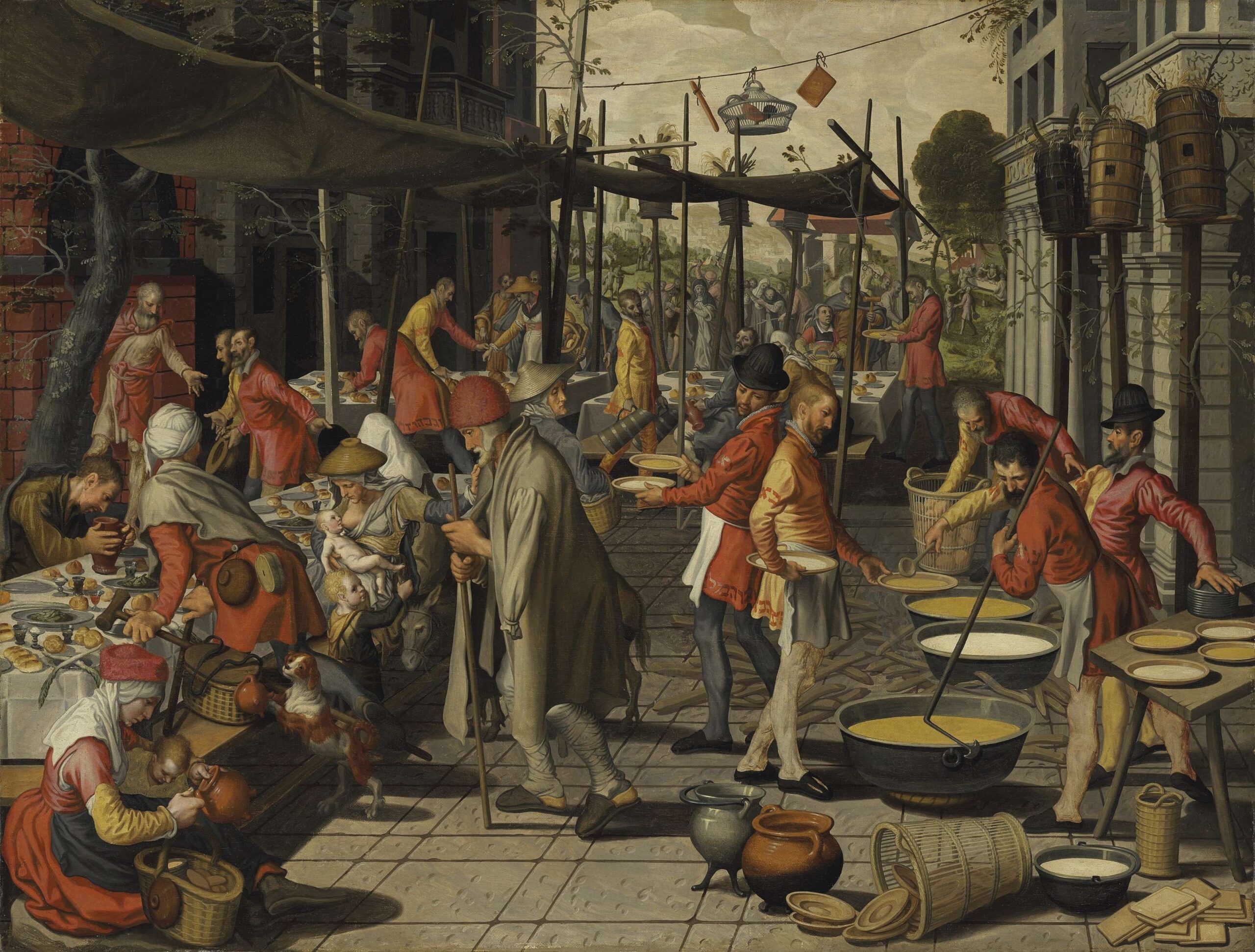
Now connect this with the first reading (Acts 2:42–47). What happens after this encounter with mercy and the Spirit? A community is born. They devoted themselves to the apostles’ teaching, to fellowship, to the breaking of bread, and to prayer. They shared everything. There is unity, generosity, and joy. Why? Because mercy experienced becomes mercy lived. Do we fellowship in our parish? Look at the next person beside you.
The Psalmist declares today: “His mercy endures forever!” Not sometimes. Not when you feel worthy. Forever.
And in 1 Peter 1:3–9, we are reminded that this mercy gives us a living hope. Even when we face trials, even when faith is tested, there is something alive within us—an inheritance that cannot be taken away.
So what is the Spirit saying to us today?
First, open your locked doors. Fear, guilt, doubt—whatever you are hiding—Jesus is already standing there. Let Him in. His mercy is greater than your past.
Second, stop hiding your wounds. God does not waste pain. The places where you have been hurt can become places where His mercy flows through you to others.
Third, receive the Spirit deeply. Christianity is not just a belief; it is a transformation. The same breath that filled the disciples is available to you. Ask for it. Welcome it.
Fourth, move from doubt to declaration. Like Thomas, your questions can lead you to deeper faith—if you bring them to Jesus. Don’t stay in doubt. Encounter Him.
Finally, become a living sign of mercy. The early Church did not just talk about God—they reflected Him. In how they loved, shared, and lived, people saw something different. That is our call today.
Divine Mercy Sunday is not just a devotion—it is an invitation for all of us. A personal invitation. Mercy has come into the room. Mercy has spoken peace. Mercy has shown its wounds. Mercy has breathed new life. Now the question is: will you receive it—and will you become it? Because when mercy is received, fear is broken, faith is awakened, and lives are transformed. Say with me the Divine Mercy prayer: Jesus, I trust in you (3x). For the sake of his sorrowful passion, have mercy on us and on the whole world (3x).