Genesis 18:20–32, Psalm 138, Colossians 2:12–14, and Luke 11:1–13
The God Who Listens: Boldness in Prayer, Confidence in Mercy
Last Sunday, we found ourselves in the humble home of Martha and Mary. Martha was busy, anxious, and overwhelmed with all the details of hospitality. Mary, on the other hand, sat at the feet of Jesus, listening—soaking in every word. And Jesus gently corrected Martha, not for her service, but for her distraction. He reminded her—and us—that “only one thing is necessary.” That was the call to make space for the Word of God, to listen, to be present.
This week, we move from listening to speaking. From hospitality to intimacy. From being silent before the Lord to conversing with Him.
Today’s readings are rich with one central message: prayer—persistent, bold, honest prayer that flows out of a trusting relationship with God.
In today’s first reading, God reveals to Abraham that judgment is coming to Sodom and Gomorrah, and what does Abraham do? He didn’t walk away in silence. He didn’t hide in fear. Instead, he intercedes. He steps forward and begins a bold, almost audacious conversation with God. “Will you sweep away the innocent with the guilty? What if there are fifty righteous? Forty-five? Forty? Thirty?” Down he goes to ten. Abraham is bargaining with the Almighty!
But notice how he does it—with humility. He says, “Let me be so bold as to speak to the Lord, though I am but dust and ashes.” This is no prideful demand; it’s the plea of someone who knows God—not just as Judge, but as Friend. Abraham trusts in God’s justice, yes—but also in His mercy.
This is the heart of intercession: speaking on behalf of others, trusting that God’s mercy is bigger than human sin. Abraham’s prayer shows us that God welcomes persistence, even when it sounds like negotiation. He’s not annoyed. He listens.
Then in the Gospel today, we see a similar prayer pattern of persistence. Jesus has just finished praying, and one of His disciples—perhaps stirred by the beauty and intimacy of that moment—asks, “Lord, teach us to pray.” And Jesus doesn’t respond with a lecture or a formula. He gives them something deeply relational: Our Father.
Think about that: the Creator of the universe, the One who holds galaxies in place and breathes stars into being—that God wants us to call Him Father. Not boss. Not a distant being. Father. A relationship of love, belonging, and care.
And then Jesus goes on to teach them the Lord’s Prayer—what we call a pattern or guide to our prayers. In the Our Father, Jesus is saying to us, ‘Honour God first, seek His kingdom, ask for daily bread, forgiveness, and protection.’ But then He takes it even deeper.
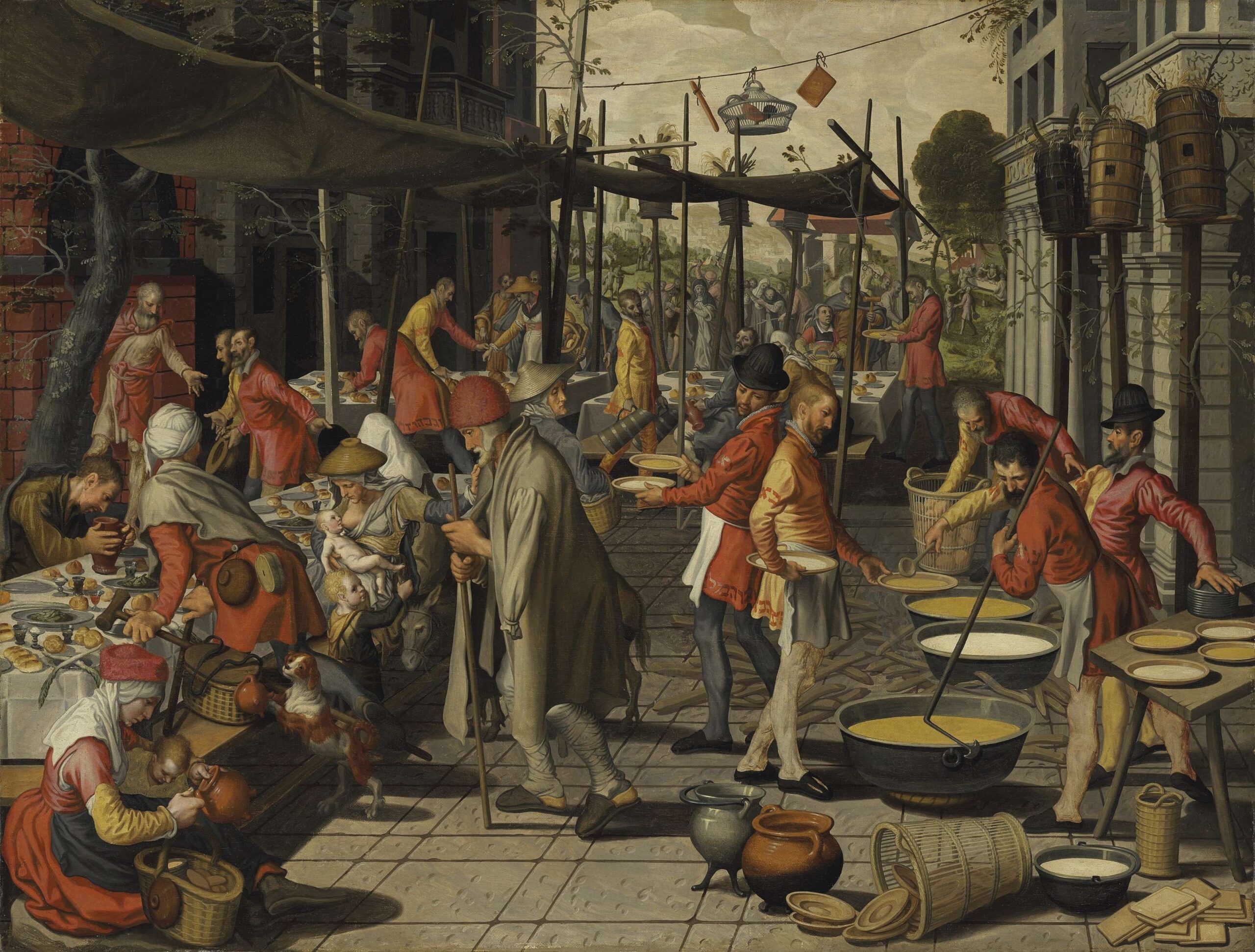
He tells a story. A parable. About a man who knocks on his neighbour’s door at midnight, asking for bread. The neighbour doesn’t want to get up. But because of the man’s persistence, he finally opens the door and gives him what he needs.
What is Jesus saying here? Not that God is like a grumpy neighbour, but that we must be like the man who won’t stop knocking. Not because God needs convincing, but because we need persistence. We need to learn to trust in the waiting. “Ask, and you shall receive; seek, and you shall find; knock, and the door will be opened.”
Do you notice the movement there? Asking, seeking, knocking. Each one is deeper than the last. God invites us not just to pray, but to press in. To keep knocking. To believe that God hears—even when heaven feels silent.
Some of us may say, “I’ve been praying for years and nothing’s changed.” But Scripture doesn’t say, “Ask once.” It says, Keep asking. It doesn’t say, “Knock softly.” It says, pound on that door until it opens.
God is not offended by our persistence. He welcomes it.
St. Paul’s letter to the Colossians brings all of this together. He reminds us of what God has already done for us in Christ. We were dead in sin, but God made us alive with Christ. He forgave us all our sins. He cancelled the debt. He nailed it to the cross. This is the foundation of our boldness in prayer: not our worthiness, but His grace. Not our effort, but His mercy.
We can approach God with confidence because the cross has torn down every barrier between us and Him.
So here’s the invitation this week:
Come to God with the heart of Abraham—bold and humble. Come to God like the persistent friend—honest and unrelenting. Come to God as a child—trusting and hopeful.
So many of us are carrying burdens of different kinds: family burdens, a child far from faith, a job that’s slipping away, a body that’s failing. And you’ve prayed. Maybe you’re tired. Perhaps you’ve stopped asking.
But Jesus says today: Don’t stop. Ask again. Seek again. Knock again.
And if the answer seems delayed, remember this: No prayer is ever wasted. Sometimes, God gives us what we ask for. Sometimes, He gives us something better. Sometimes, He gives us the strength to endure. But He always provides. Always.
Because He is not a distant stranger. He is Our Father. And He gives the Holy Spirit to those who ask Him.
Let me close with this:
When we sit at the feet of Jesus, as Mary did, we learn who God is. But when we rise to pray like Abraham, and knock like the persistent friend, we learn what God can do.
So this week, let your prayer be bold. Let it be honest. Let it be constant. Because the God who listens—is listening still. Amen.