


Isaiah 45:1, 4-6, Psalm 95 (96): 1, 3-5, 7-10, 1 Thessalonians 1:1-5 and Matthew 22:15-21
Living Faithfully in a Divided World – God First, Everything Else in Its Place
The Church celebrates the 100th anniversary of World Mission Sunday on 18 October 2026, a century after Pope Pius XI established it as a day of prayer and support for missionary work. This year’s theme, “One in Christ, United in Mission”, chosen by Pope Leo XIV, highlights the link between Christian unity and evangelisation, echoing Jesus’ prayer “that they may all be one” (John 17:21). In a world facing conflict and division, the theme invites Christians to foster peace, dialogue, reconciliation, and national unity.
Missio International encourages all parishes, schools, religious communities, and Catholic organisations to pray for missions, give generously, and actively support evangelisation, especially among vulnerable communities.
This centenary is more than a celebration; it’s an opportunity to renew our commitment: may every parish become a centre of missionary prayer, every Catholic a witness to Christ’s love, and every generous act a sign of solidarity with those who bring the Gospel to difficult places.
The readings for this 29th Sunday in Ordinary Time, Year A, offer a clear and reassuring message to all of us: God is Lord over all history, every nation, and every human heart. Because He is Lord, we’re invited to offer Him what belongs to Him: our lives, our worship, our loyalty, and our witness.
In today’s first reading, the prophet Isaiah spoke during Israel’s exile in Babylon. The people were discouraged, powerless, and uncertain about their future. Into this situation, God announced something surprising: He will use Cyrus, a pagan king, to set His people free. Cyrus did not know God, yet God called him “my anointed,” signifying that He was chosen for a mission. The message here is simple: God is in charge of history. He can use anyone, believer or unbeliever, to accomplish His purpose. No earthly power is absolute; only God is Lord.
In today’s world, where politics, nations, and leaders often cause anxiety, the prophet Isaiah reminds us that God’s sovereignty is greater than human authority. So we must not panic; we must always trust in the Lord.
The psalm today is a call to worship: “Give the Lord glory and power.” It contrasts the living God, so great, with the “gods of the nations”, who are mere idols. Israel is invited to proclaim God’s greatness to all peoples. This psalm teaches us that worship is not optional; it is central to life. When we worship God, we place everything else in its proper order.
Unfortunately, idols still exist today; Modern day idols are anything that quietly takes the place of God in the human heart. They are not statues of wood or stone, but attachments, desires, and habits that demand more of our time, loyalty, and trust than God does. Today, idols often appear in subtle forms: money and material success, when people measure their worth by wealth; power and influence, when ambition becomes more important than integrity; pleasure and comfort, when the search for entertainment replaces spiritual discipline; technology and social media, when constant online validation shapes identity; work and productivity, when career becomes the centre of life; self image, when appearance or reputation becomes an obsession; and even relationships, when people expect others to give what only God can provide.
These idols are powerful because they look normal, even good, yet they slowly shift our hearts away from God. Christians today must recognise these hidden idols and return to the One whose image we bear and whose love alone can satisfy.
These are actions to think about.
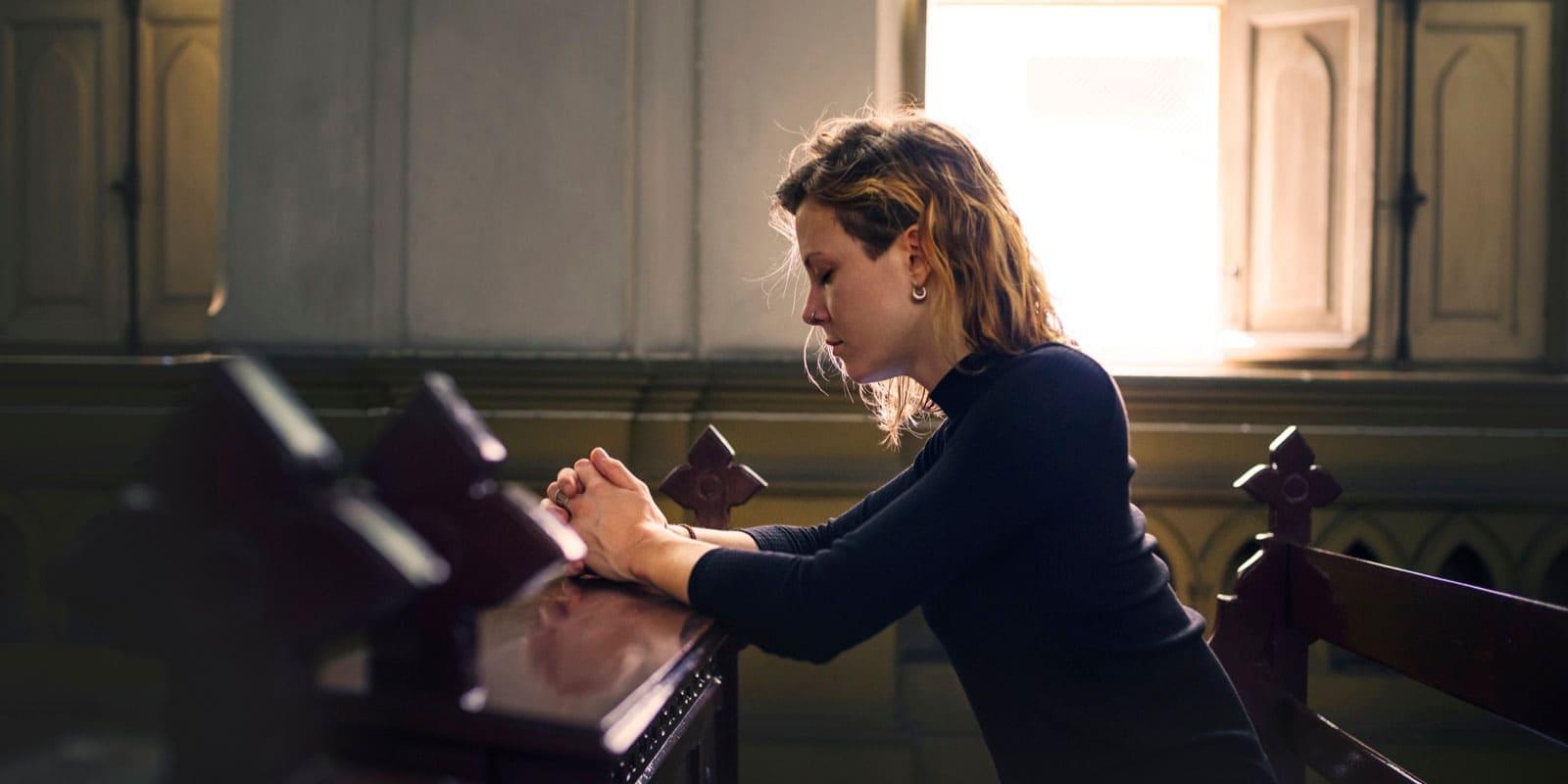
In today’s second reading, Saint Paul wrote to the young Church in Thessalonica, praising their faith. He reminded them that the Gospel came “not only in words, but in power and in the Holy Spirit.” Their lives were visibly transformed. Saint Paul teaches that faith is not theory; it is a lived experience. We show our faith in God because the Holy Spirit gives strength to live differently in a difficult world. So our Christian witness appears in daily life through various choices, behaviour, compassion, and integrity.
In a world full of noise, confusion, and pressure, Saint Paul reminds us that real faith produces real change.
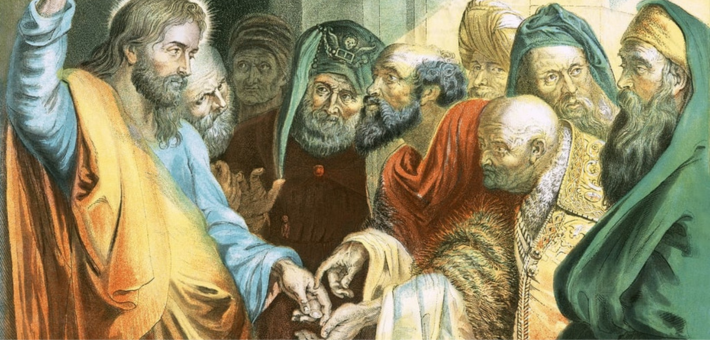
In today’s gospel, the Pharisees and Herodians tried to trap Jesus with a political question: Is it lawful to pay taxes to Caesar? If He said yes, He would offend the Jews. If He said no, He would offend Rome. They wanted to force Him into a political fight. The Herodians were a political group in first-century Judea that supported the Herodian dynasty, especially Herod Antipas, the Rome-backed ruler. They were not a religious movement like the Pharisees; instead, they supported the political status quo and benefited from Roman power. By contrast, the Pharisees were strict religious leaders who opposed Roman influence and wanted Israel to follow the Law without foreign interference. Normally, these two groups had little in common and often disagreed, but they became temporary allies because they shared a common goal: to stop Jesus. His growing influence threatened both their interests; the Pharisees feared His challenge to their religious authority, and the Herodians feared He could disrupt political stability.
Their cooperation to trap Jesus with the question about paying taxes shows how opposition can unite when people feel their power or comfort is threatened, even if they are not natural friends.
Jesus refused their trap. He asked for a coin. It bears Caesar’s image. Then He said: “Give to Caesar what belongs to Caesar, and to God what belongs to God.” This is not merely a clever escape; it is a profound teaching from our Lord Jesus: the coin bears Caesar’s image. God’s image is on you. Therefore, give Caesar taxes, but give God your life. Jesus teaches us balance: Christians must be responsible citizens. Yet political loyalty must never replace our loyalty to God. God must always come first in everything we do.
All readings this Sunday point us to one truth: God is the true Lord of history, worship, and the human heart. The prophet Isaiah shows that God rules over all.
The psalmist shows God as the only one worthy of worship.
Saint Paul shows God ruling over believers through the Holy Spirit.
Jesus shows God ruling over our ultimate loyalty.
The lessons for us this Sunday are: Put God first, and everything else will find its place. Trust God in times of confusion. Like Israel under Cyrus, God is working even when we do not see it. Let us examine our idols. What are those things competing with God in our lives? Let us live our faith visibly. Like the Thessalonians, let our daily choices show the works of the Gospel, the mission for Christ. Be responsible citizens, but do not be consumed by the politics of nations. Fulfil your civic responsibility but never give Caesar your soul.
Remember whose image you carry. You belong to God including Ceasar. Your life, your heart, your decisions, your future; all are His. Give God what belongs to God: your worship, your loyalty, your heart. When God is first, everything else becomes clear. When God is first, fear decreases. When God is first, life becomes ordered, meaningful, and peaceful.
May the Lord help us to live faithfully in a divided world, always remembering that His image is upon us and His grace within us. Happy Mission Sunday to all of us!
Leave a Reply