



Isaiah 5:1-7, Psalm 80 (79): 9, 12-16, 19-20, Philippians 4:6-9 and Matthew 21:33-43
The Vineyard Belongs to God: Let Us Bear Fruit for Him
My dear brothers and sisters in Christ, Last Sunday, Jesus told us the parable of the two sons. The father asked both sons to work in his vineyard. One said, “I will not go,” but later changed his mind and went. The other said, “Certainly, sir,” but did not go. Last Sunday’s message was that God is not merely looking for words; He is looking for a response expressed in our lives. What matters is not simply saying “yes” to God but allowing that “yes” to become obedience and action. Today, Jesus continues with the image of the vineyard.
In the first reading, Isaiah speaks of a friend who carefully planted a vineyard. He cleared the land, planted choice vines, built a watchtower, and prepared a winepress. He did everything necessary to ensure the vineyard produced good grapes. But when harvest time came, it yielded wild grapes. The vineyard is Israel, God’s chosen people. The owner is God. God had given His people everything they needed to live faithfully, yet He looked for justice and righteousness and found their failure.
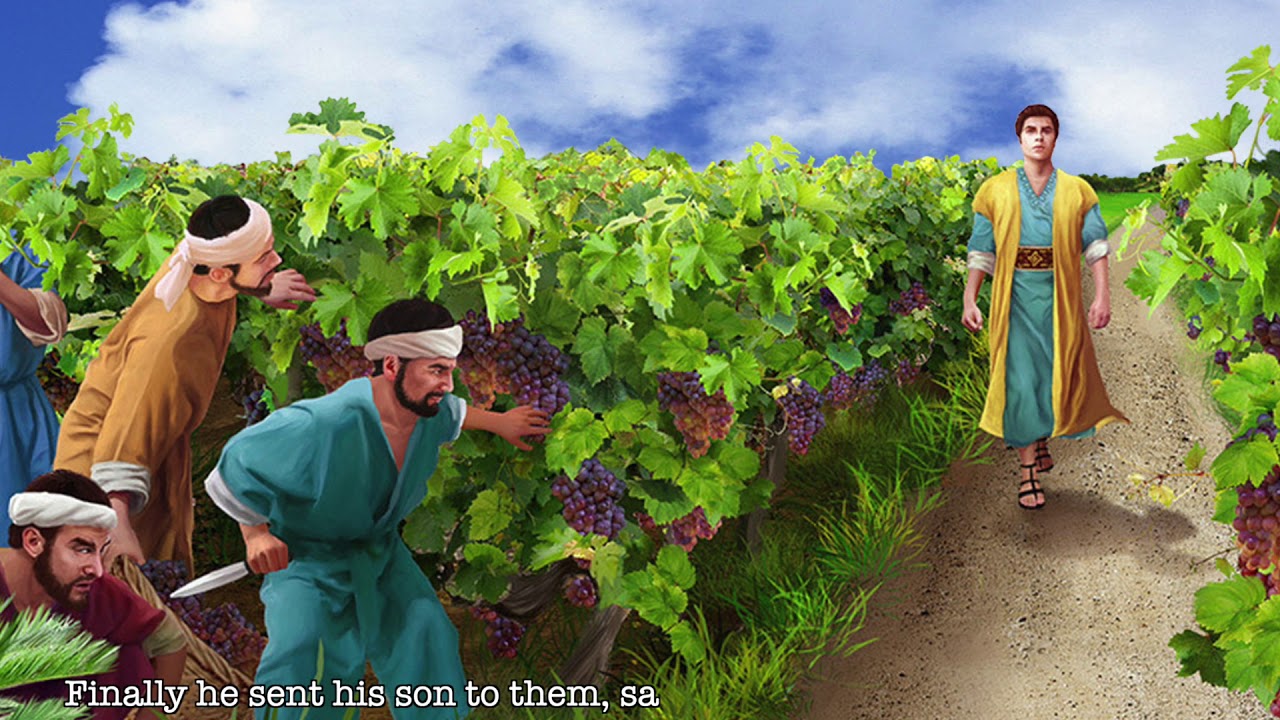
The same image appears in today’s Gospel. Jesus teaches us the Parable of the Tenants. The landowner planted a vineyard and entrusted it to tenants. When the owner sends servants to collect the fruits from the vineyard from the tenants, the tenants beat, stoned, and killed them. Finally, he sends his son. They killed him too. In this parable, Jesus is speaking about the history of God’s relationship with His people. The servants represent the prophets whom God sent at various times. The son represents Jesus Himself. The parable therefore points to the rejection and death of Christ. But another important truth emerges: the vineyard belongs to God.
We are God’s vineyard. Our families are His vineyard. Our parish is His vineyard. God has entrusted us with our gifts, time, relationships, opportunities, and possessions. They are not ultimately ours to possess without responsibility. Last Sunday’s Gospel asked, if we will do the Father’s will? Today’s Gospel takes the question further: What fruit will our response to God produce?
The question, therefore, is not simply, “What have I received?” The deeper question is: “What fruit am I producing with what God has entrusted to me?” This is where the second reading becomes very practical. Saint Paul shared with the Philippians not to be consumed by anxiety, but to bring everything to God in prayer and thanksgiving. Then he told them to fill their minds with what is true, honourable, just, pure, lovely, and worthy of praise. These are the characteristics of the spiritual fruit from the vineyard of the Lord that you and I should possess.
What is the connection with all three readings today? A fruitful vineyard requires cultivation. In the same way, our hearts require cultivation. What are we allowing to grow inside us? If we continually cultivate anger, resentment, jealousy, gossip, and fear, they will eventually produce fruit in our words and actions, and these will not be good fruits. But if we cultivate repentance by listening to the messages of prophets, prayer, gratitude, forgiveness, truth, patience, and charity, these too will produce good fruits.
The Psalmist today gives us the prayer of a people who recognise that the vineyard has been damaged: “God of hosts, turn again, we implore you; look down from heaven and visit this vine.” That prayer can become our prayer today. Perhaps something in our lives has become dry. Perhaps a family relationship needs healing. Perhaps our faith has grown weak. Perhaps we have stopped praying. Perhaps we have been hurt and have allowed bitterness to take root.
The good news is that God does not abandon His vineyard. He calls us back. He prunes us. He restores us. He asks us to bear fruit. And the fruit He seeks is not greatness in the eyes of the world. It is a life of love, justice, mercy, faithfulness, forgiveness, and holiness. So, my brothers and sisters, as we experience this Eucharistic sacrifice today, let us ask ourselves three simple questions: What has God entrusted to me? What fruit am I producing? What needs to change in me so that my life may continue to glorify God? May the Lord make our hearts fruitful vineyards, faithful to His grace and generous in love. Amen.
Leave a Reply