



Ezekiel 18:25-28; Psalm 25 (24):4-9; Philippians 2:1-11; Matthew 21:28-32
God Wants a Changed Heart, Not Empty Promises
Today’s readings address one of the most important questions in the Christian life: Does my life truly reflect the “yes” I give to God? Many people can say the right words, make beautiful promises, and appear religious to others. But the Word of God reminds us that what ultimately matters is not only what we say, but also what we become and what we do. God wants a changed heart, not empty promises.
In the first reading, the prophet Ezekiel addresses the people of Israel during a period of exile and suffering. Many felt God was unfair. They believed they were paying for their ancestors’ sins and that their situation could not change. But God answers clearly: “Is it my way that is unfair, or rather, are not your ways unfair?” Through Ezekiel, God teaches personal responsibility. Each person is responsible for the direction of their life. If someone turns away from evil and chooses what is right, that person will live. This message offers hope to a discouraged people: the past does not have the final word. God’s mercy opens the door to a new beginning.
That message remains necessary today. Some people think, “I have failed too much; I cannot change.” Others blame their family, society, the Church, or circumstances for everything that is wrong in their lives. Of course, our background can influence us, but Ezekiel reminds us that grace gives us the freedom to choose again. We are not prisoners of yesterday. A sinner can become a saint. A broken relationship can begin to heal. A person who has been far from God can return. What matters is not only where we have been, but also the direction we are moving in now.
The responsorial psalm offers the prayer of someone who knows that conversion is impossible without God’s help: “Teach me your ways, O Lord.” The psalmist asks for guidance, mercy, and humility. At the time, this prayer expressed Israel’s need to be led back to covenant faithfulness. Today, it reminds us that the Christian life is not self-improvement by human strength alone. We need God to teach us to forgive, be honest, resist pride, make difficult choices, and walk in truth. The humble person is teachable; the proud person assumes he already knows the way.
In the second reading, Saint Paul writes to the Christians in Philippi, a community he loved, yet one that needed unity, humility, and selflessness. He tells them: “Do nothing from selfish ambition or conceit.” He then points to Jesus Christ, who, though divine, emptied himself and became obedient even to death on a cross. Paul addresses the temptation to pride and division within the Christian community. The cure was to have the same mind as Christ: humility, service, and obedience.
This passage speaks to our age, in which self-promotion, status, and personal rights often dominate public and even family life. We are encouraged to put ourselves first, win arguments, protect our image, and avoid sacrifice. But Christ shows another way. True greatness lies in humble service. A Christian home, parish, workplace, or society becomes healthier when people stop asking only, “What do I want?” and begin asking, “How can I serve? How can I build peace? How can I put love into action?”
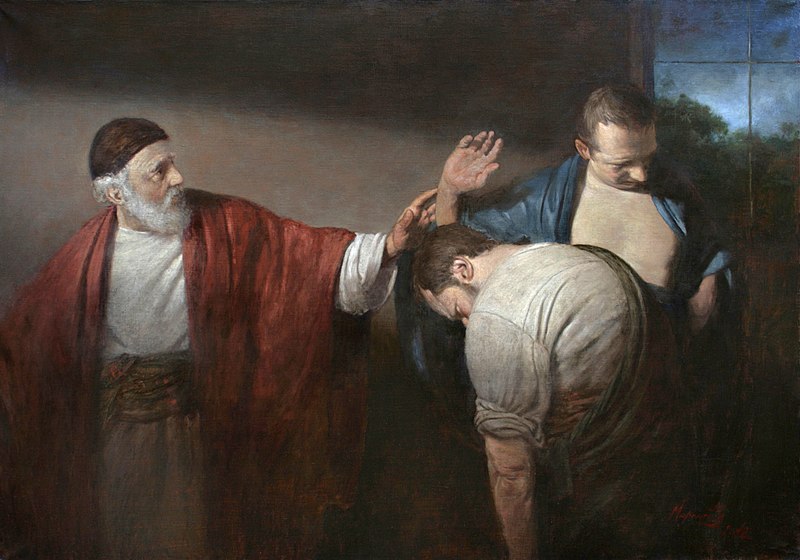
In the Gospel, Jesus tells the parable of the two sons to the chief priests and elders. These religious leaders knew the law and spoke about God, yet they refused to heed John the Baptist’s call to repentance. The first son says no but later changes his mind and goes to the vineyard. The second son says yes but does not go. Jesus shocks his listeners by saying that tax collectors and prostitutes are entering the kingdom ahead of them because they believed John and changed their lives. The issue is not appearances but obedience.
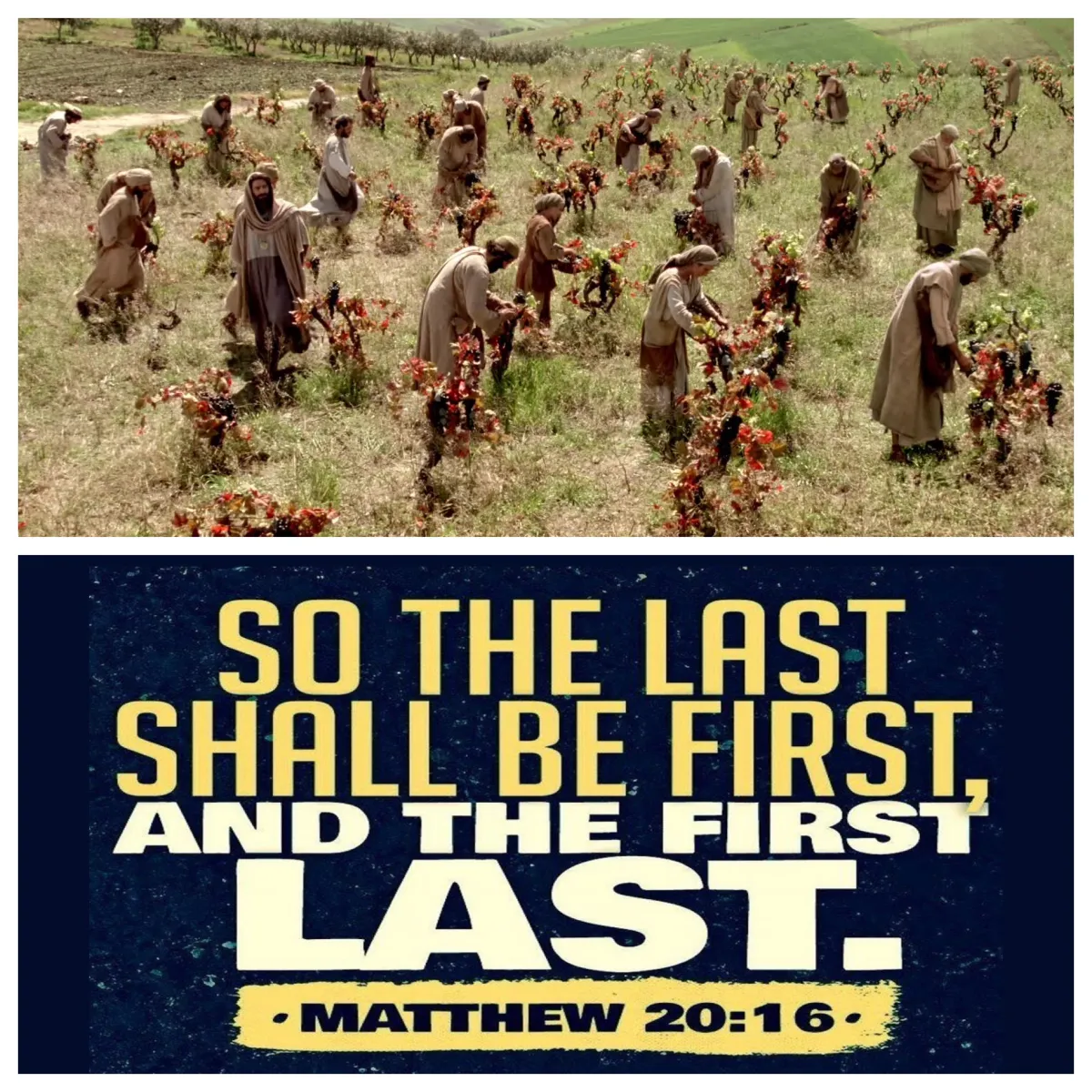
This parable is very close to us. We can say “yes” to God in church, yet say “no” at home through selfishness or neglect of what matters. We can say “yes” in prayer, yet say “no” in daily relationships. The vineyard is not only the church building; it is the world to which God sends us to work, love, serve, and witness.
The good news is that the first son changed his mind, showing that our initial response to God need not be final. If we have delayed, resisted, failed, or wandered, we still have the chance to return. Ezekiel assures us that God welcomes those who turn back. The psalmist encourages us to seek guidance. Saint Paul highlights Christ’s humility. The Gospel urges us to demonstrate our faith in action.
So today, let us examine our promises to God. Where have I said yes with my lips but no with my life? Where is God asking me to return, apologise, serve, or begin again? May our response be more than empty words, marked by a converted heart and faithful action. May our yes to God be evident in our choices, humility, and love. Amen.
Leave a Reply