



Exodus 22:20–26; Psalm 18 (17); 1 Thessalonians 1:5–10; Matthew 22:34–40
The Architecture of Love — Vertical and Horizontal Faith
Dear brothers and sisters in Christ,
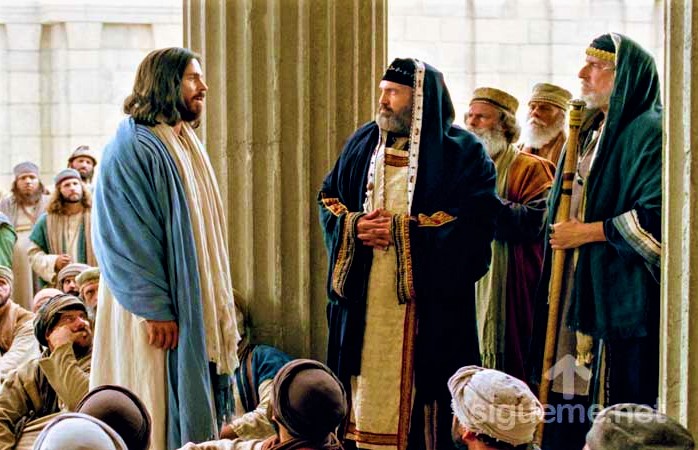
In today’s Gospel, a scholar of the law asks Jesus, “Teacher, which commandment in the law is the greatest?” Jesus invites us to love God with all our heart, soul, and mind. He then adds, “You shall love your neighbour as yourself.” Finally, He reminds us that the whole law and the prophets rest on these two commandments.
Jesus offers us a beautiful framework for Christian life: loving God and loving our neighbour. Like the two beams of the Cross, these parts belong together. We can express our relationship with God through the way we care for others. Faith without love can feel empty, while service grounded in God helps us stay spiritually focused.
- The Vertical Dimension: Loving God Completely
Jesus invites us to love God with our whole being. God isn’t someone we remember only during Sunday Mass or when life gets difficult. Instead, He can guide our decisions, priorities, relationships, and daily actions.
Psalm 18 captures this close relationship beautifully: “I love you, Lord, my strength.” The psalmist describes the Lord as his rock, fortress, deliverer, and refuge. These images remind us that God is the steady foundation for our lives. When challenges arise, we can turn to Him; when blessings come, we can offer our thanksgiving.
Loving God means making time for prayer, listening to His Word, faithfully participating in worship, and seeking His will. It’s worth asking ourselves: Do we give God first place, or only what’s left after everything else? We are also reminded that love for God reaches beyond prayer and worship. It becomes visible in the way we treat others.
- The Horizontal Dimension: Loving Our Neighbour
In the first reading, Exodus 22:20–26, God calls His people to treat strangers, widows, and orphans with care and respect. He also asks them not to take advantage of the poor by charging interest on loans and to return a poor person’s cloak taken as a pledge before nightfall. These instructions show how deeply God cares for the vulnerable. The Lord hears their cries and calls His people to respond with compassion and justice. So loving our neighbour means more than having good intentions; it means taking practical action.
Our neighbours include people who are poor, lonely, sick, or strangers, as well as those with little power to defend themselves. They may also be people in our families, workplaces, and parish communities who need our patience, understanding, or forgiveness. We cannot claim to love God while deliberately turning away from others’ suffering. Our faith calls us to share what we have, uphold every person’s dignity, and never take advantage of another person’s vulnerability. The question is not simply whether we pray, but whether our prayer helps us become more compassionate.
- Faith That Becomes a Living Example
In the second reading, St Paul praises the Thessalonians for welcoming the Gospel with joy inspired by the Holy Spirit, even amid suffering. Their faith inspired other believers, and their conversion was evident in their turning from idols to serve the living and true God. Their example reminds us that genuine faith can transform our lives. The Gospel isn’t simply something we hear; it’s something we put into practice. When our love for God shapes how we speak, forgive, work, and care for others, our lives become a witness to Christ.
The Thessalonians didn’t keep their faith to themselves; their example reached far beyond their community. In the same way, our Christian witness can shine in our homes, neighbourhoods, and workplaces. Through our honesty, generosity, patience, and care for those in need, people can encounter something of Christ.
- Three Ways to Build Our Architecture of Love
First, strengthen your relationship with God. Make time for prayer, Scripture, and the Eucharist. Let the Lord be your rock and refuge, especially when life becomes difficult.
Second, make love practical. Notice someone who is struggling. Help someone in need, listen patiently, and treat strangers with dignity. As the Book of Exodus reminds us, God hears the cry of the vulnerable.
Third, make your faith a witness. Like the Thessalonians, allow the Gospel to transform your conduct. Let others recognise your Christian faith through your actions, not just your words.
Dear brothers and sisters, our love’s architecture requires both dimensions. The vertical beam draws us towards God, while the horizontal beam directs us towards our neighbour. If we neglect either, our Christian witness is incomplete. Let us therefore love the Lord with all our heart, soul, and mind, and love our neighbour as ourselves. May the Lord be our strength, may His Word transform our lives, and may our faith be a living example of His love. May our vertical faith in God always be expressed through horizontal love for our brothers and sisters. Amen.


Leave a Reply