Deuteronomy 6:2-6, Ps. 17 (18):2-4,47,51, Hebrews 7:23-28, and Mark 12:28-34
The Greatest Commandment: A Call to Transformative Love
The readings for the 31st Sunday of Ordinary Time, Year B, invite us to profoundly reflect on the nature of love—love for God and our neighbour. This love is more than just a sentiment or an abstract ideal; it is a transformational power that reshapes our lives, aligns our will with God’s, and directs our interactions with others. Let us explore the valuable insights provided by these Scriptures more deeply.
- Love is the Foundation of Faith (Deuteronomy 6:2-6). In Deuteronomy, Moses addresses the Israelites, reminding them of their covenantal connection with God. The Shema, which opens with the words “Hear, O Israel,” encourages an all-encompassing devotion to God. This order requires a complete response, including heart, soul, and strength, rather than intellectual acquiescence or ritual obedience.
Reflection: This chapter prompts us to contemplate the depth of our relationship with God. Are we offering Him our entire selves? Do our daily decisions, priorities, and behaviours reflect our love for God? The appeal to love God with all our being reminds us that our faith is more than just belief; it is a lived connection that impacts every aspect of us.
- Psalm 17 (18):2-4, 47,51: Trusting in God’s Love The psalmist describes God as a “rock” and “fortress,” emphasising His dependability and protection. This symbol reassures us that God’s love is unwavering, providing a haven in times of trouble.
Reflection: On our journey of faith, we face many problems and uncertainties. The psalm assures us that God’s love provides stability and strength. How frequently do we rely on God as our fortress? This contemplation encourages us to strengthen our faith in God, knowing His love protects and sustains us even during life’s most difficult times.
3. Hebrews 7:23-28: Jesus, the Perfect High Priest. The Letter to the Hebrews contrasts the priests of the old covenant, who provided multiple offerings, with Jesus, who offers Himself as a single, perfect sacrifice. His priesthood is eternal, and we receive an endless supply of grace and mercy through Him. Reflection: Jesus’ self-sacrifice is the ultimate example of love. Unlike human priests, who are restricted by their mortality and sinfulness, Jesus provides a priesthood founded on His infinite perfection. His once-for-all sacrifice leads us to consider the depth of His love and the constant access we have to God’s grace. Jesus exemplifies self-giving, eternal, and transformational love, serving as an example of how we are to love others.
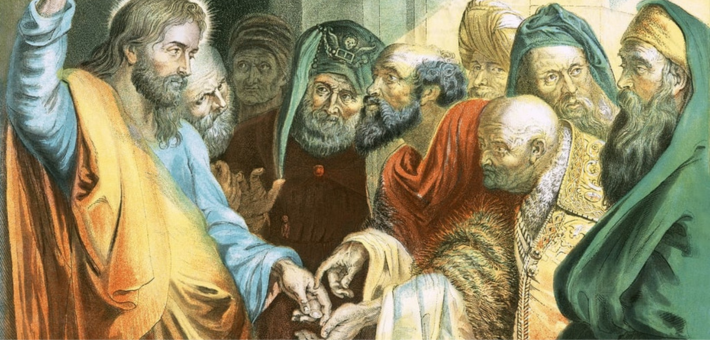
- The Command to Love God and Neighbour (Mark 12:28-34). In the Gospel, Jesus distils the entire Law into two interrelated commandments: love God and love your neighbour. He emphasises that these commandments are more important than all burnt offerings and sacrifices, implying that love is the basis of true religion.
Reflection: Jesus’ teaching pushes us to understand love as the heart of our faith rather than an obligation. Loving God and neighbour are inextricably linked; no one can profess to love God while ignoring the needs of others. This challenges us to reflect on our relationships: Are we patient, empathetic, and just in our interactions with others? Do we act on our professed love for God by being kind and kind to those around us? Living the Greatest Commandment Today.
- The texts invite us to embody active, all-encompassing love. Here are some practical ways to carry out this call.
1. Strengthen your relationship with God through daily prayer and reflection. Show your love for Him through obedience and devotion.
2. Demonstrate love for others by performing acts of kindness, forgiveness, and fairness. Look for ways to help individuals who are marginalised or in need.
3. Community Building: Show affection for people around us, including family, friends, and colleagues. Strengthen your bonds with them by being kind, patient, and generous. 4. Social Justice: Support vulnerable individuals and advocate for structural change to promote human dignity and equality.
The Greatest Commandment summons radical love, transforming our connection with God and one another. It reminds us that true discipleship is more than just following the rules; it is about having a heart fully dedicated to God and open to others. As we ponder these readings, let us commit to embodying this love all our lives, becoming authentic witnesses to God’s infinite love in the world.