Zephaniah 2:3; 3:12-13, Psalm 146 (145):6-10, 1 Corinthians 1:26-31 and Matthew 5:1-12
God Chooses the Small to Change the World
Dear brothers and sisters, welcome to this 4th Sunday in Ordinary Time. The readings this weekend speak gently, yet firmly, to our hearts. They remind us of something we often forget in a world obsessed with strength, success, and visibility: God did not begin His saving work with the powerful, but with the humble. God draws near to those who are on the margins. And that is very good news for us.
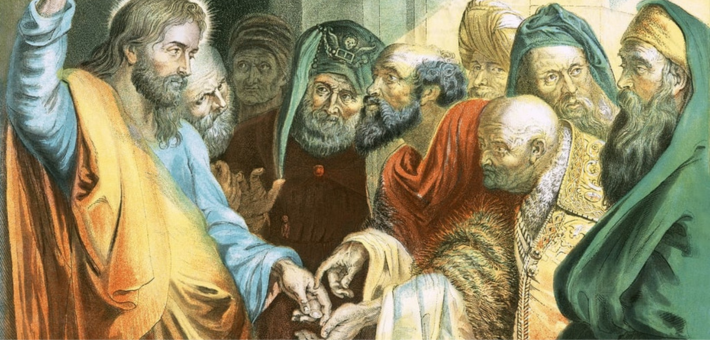
Today’s Gospel. (Matthew 5:1–12) opens with a deeply meaningful image: “When Jesus saw the crowds, he went up the mountain, and after he had sat down, his disciples came to him.” In Scripture, mountains are sacred spaces—places where God reveals His heart. For instance, Moses received the Law on a mountain; now Jesus ascends a mountain to offer not laws carved in stone, but a way of life written on the heart. This passage, the Beatitudes, is not simply an introduction to Jesus’ teaching—it is the soul of the Gospel.
And who were those gathered before Him? They were not rulers or religious elites, but ordinary people: the poor, the wounded, the overlooked, the tired. People carrying grief, injustice, sickness, and unanswered prayers. To them, Jesus spoke words that must have sounded shocking: “Blessed are the poor in spirit… blessed are the meek… blessed are those who mourn.” He did not deny their pain. He blesses them in it. Jesus is revealing a God who is closest when life feels weakest.
This same voice of God echoes through the First Reading from the prophet Zephaniah. Zephaniah was prophesying during a challenging chapter in Israel’s history. The nation was spiritually compromised. Leaders were corrupt. The poor were exploited. Yet God did not abandon His people. Instead, He said: “Seek the Lord, all you humble of the earth… seek humility.” And then comes a hope-filled promise: “I will leave as a remnant a people humble and lowly.”
God always preserves a remnant: a small, faithful group that may not impress by worldly standards but remains open to Him. Throughout salvation history, God repeatedly starts again from the edges—Noah after the flood, a band of freed slaves after Egypt, a young shepherd named David, a teenage girl from Nazareth. God’s power is not lessened by smallness; it is revealed through it.
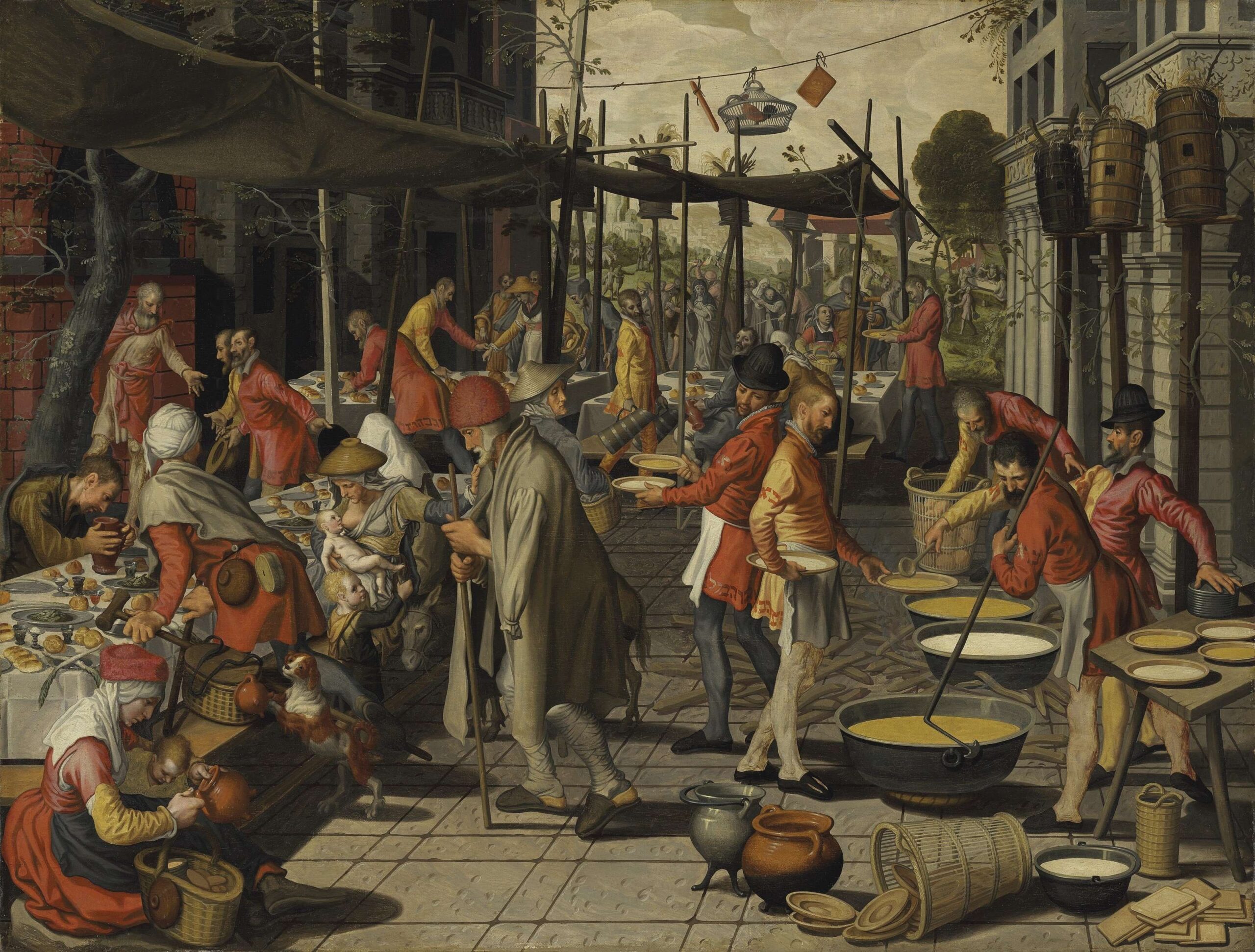
Today’s Psalm (146) proclaims this truth with prophetic clarity. It tells us exactly where God stands: “The Lord gives food to the hungry, sets captives free, gives sight to the blind, raises up those who are bowed down.” This is a declaration of God’s character. And the psalmist also warns us: “Put no trust in princes.” In our time, that might mean not placing ultimate hope in systems, leaders, wealth or technology. These things can serve us, but they cannot save us. Only God can lift what is bowed down.
Saint Paul, in his letter to the Corinthians, brings this message home in a very personal way. He said, “Consider your own calling.” Not many were powerful. Not many were influential. And yet, God chose them. Why? “So that no one might boast before God.” The Church is not built on human achievement, but on grace. On people who know their need for God.
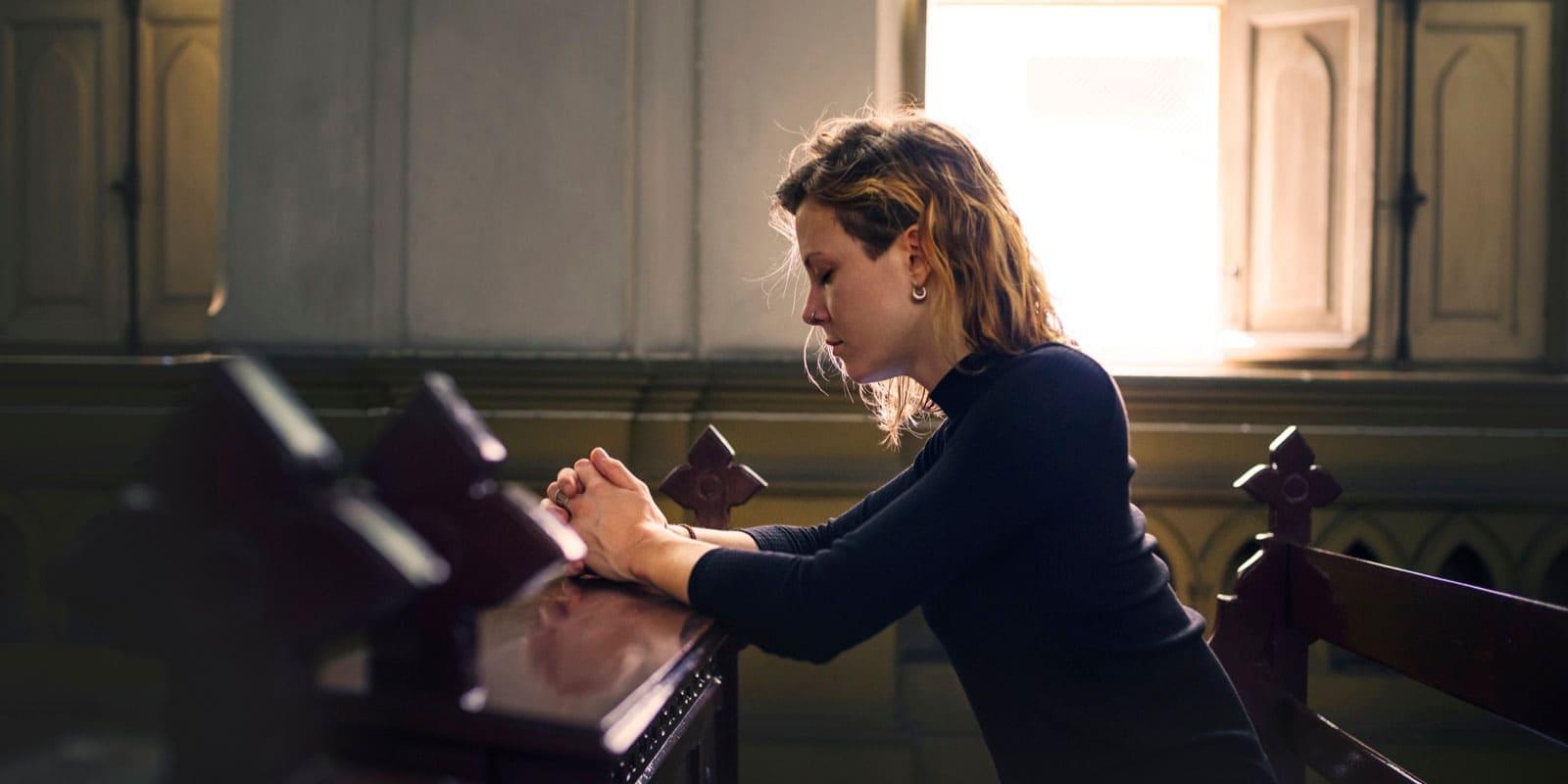
This speaks directly to our present reality. We live in a culture that tells us our worth is measured by productivity, popularity, and success. Many people quietly feel inadequate, unseen, or left behind. The Beatitudes speak directly into that ache. Jesus said the kingdom already belongs to those who are poor in spirit—those who know they cannot save themselves. Those who pray not because it is impressive, but because it is necessary.
We see this holiness every day: a parent, exhausted yet faithful; a caregiver who stays; a person who chooses mercy in a harsh world; a young person trying to live with integrity amid pressure. These lives may never be applauded, but heaven sees them.
A passage of scripture that helps us engage more deeply with today’s Gospel is Philippians 2:6–7: “Though he was in the form of God, Jesus did not regard equality with God as something to be grasped. Rather, he emptied himself.” Jesus Himself chose the margins. Born without privilege, living without excess, and eventually dying on the cross—yet through that self-emptying, God’s saving power was released.
So, what are we being invited to reflect on today? First, to stop disqualifying ourselves. God is not waiting for us to be stronger, holier, or more successful. Secondly, to trust that small acts of faithfulness matter. Thirdly, to open our eyes to the margins around us—the lonely, the anxious, the excluded, the weary—because that is where Christ is already present.
The Beatitudes are not sentimental sayings; they offer a prophetic vision of a different world. They teach us that true happiness does not result from standing above others but from walking with them. Not from grasping, but from trusting. Not from self-sufficiency, but from surrender. And if that is where God begins, then there is hope for each of us. May the Lord bless His Word in our hearts.